What is TMS?
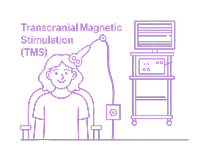
Transcranial Magnetic Stimulation (TMS) is a non-invasive technique that utilises magnetic pulses to stimulate targeted brain regions.
It is most commonly used in the treatment of major depressive disorder—particularly in patients unresponsive to medication—but is also applied in managing anxiety disorders (PTSD, OCD), chronic pain and ADHD.
Why Choose TMS Therapy?
TMS therapy offers several advantages for patients seeking effective depression treatment without the drawbacks of medication. This non-invasive approach provides targeted brain stimulation with minimal side effects, making it an excellent option for those who haven’t found success with traditional treatments.
Key Benefits of TMS:
• Drug-Free Treatment – No medication side effects like weight gain, nausea, or sexual dysfunction
• Outpatient Procedure – Continue your daily activities immediately after each 20-minute session
• No Out-of-Pocket Costs – Fully covered by Medicare with a valid GP or psychiatrist referral
• Proven Effectiveness – 50-60% of patients experience significant improvement in depressive symptoms
• Minimal Side Effects – The most common side effect is mild scalp discomfort that typically subsides after a few sessions
• Safe and Approved – FDA-approved and endorsed by mental health professionals worldwide
Unlike antidepressants that affect your entire body, TMS delivers focused magnetic stimulation directly to the brain regions responsible for mood regulation. This precision means you can receive powerful therapeutic benefits without systemic side effects.
How does it work?
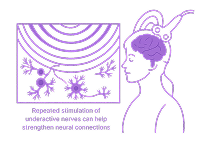
TMS uses magnetic pulses to stimulate parts of the brain that aren’t functioning at their usual level. Over time, this repeated stimulation encourages the brain to rewire itself by strengthening the connections between nearby neurons—a process called neuroplasticity.
For mood disorders, the coil is typically placed over the left dorsolateral prefrontal cortex—a region involved in the regulation of emotions. The stimulation intensity is determined by each patient’s motor threshold to ensure appropriate dosage.
Conditions We Treat With TMS Treatment
While TMS is best known for treating depression, research has demonstrated its effectiveness across several mental health and neurological conditions:
Treatment-Resistant Depression
TMS is particularly effective for patients who have tried multiple antidepressant medications without achieving satisfactory results. If you’ve experienced two or more unsuccessful medication trials, TMS may offer the breakthrough you’ve been seeking. Clinical studies show that up to 60% of patients with treatment-resistant depression respond positively to TMS therapy.
Anxiety Disorders
Many patients with depression also experience anxiety symptoms. TMS can help regulate the neural circuits involved in both conditions, providing relief from persistent worry, panic, and anxious thoughts. The treatment is especially beneficial for patients with anxious depression—a combination that can be challenging to treat with medication alone.
Post-Traumatic Stress Disorder (PTSD)
TMS has shown promising results in reducing PTSD symptoms by helping to regulate the brain’s fear response and emotional processing centers. Veterans and trauma survivors may find TMS particularly helpful when traditional therapy and medication haven’t provided adequate relief.
Obsessive-Compulsive Disorder (OCD)
For patients struggling with intrusive thoughts and compulsive behaviors, TMS can help modulate the neural pathways involved in OCD. Research indicates that targeting specific brain regions with magnetic stimulation can reduce the severity of obsessive thoughts and compulsive rituals.
Chronic Pain Conditions
The relationship between chronic pain and depression is well-established. TMS can address both the emotional and pain-processing aspects of chronic pain syndromes, potentially providing relief when other treatments have fallen short.
ADHD
Emerging research suggests TMS may benefit adults with attention-deficit hyperactivity disorder by improving focus, impulse control, and executive function through targeted brain stimulation.
During treatment, patients experience a tapping sensation at the stimulation site. While some patients find the sensation unusual at first, this often subsides after a few sessions. Adjustments to coil position can further enhance comfort.
TMS is an appropriate intervention for individuals with Treatment-Resistant Depression, especially when standard pharmacological treatments have been ineffective. It is generally safe, but contraindications include metallic implants in the head or neck and a personal history of seizures.

Want to be contacted for more info?
Our Team

Dr Cathrin Kusuma (FRANZCP)
TMS Psychiatrist
Dr Cathrin Kusuma is an experienced psychiatrist who is passionate about providing empathic, evidence based, personalised care. She has trained in general adult psychiatry and has a special interest in perinatal psychiatry.
Cathrin is excited to provide TMS for patients with treatment resistant depression or those who prefer a non medication treatment option that is effective, drug free and with very minimal side effects.
Initial Assessment (No Out-of-Pocket Cost)
Before starting treatment, you’ll attend an initial consultation to evaluate if TMS is the right option for you. Based on your psychological history and symptoms, we will develop a treatment approach specific to your needs and recovery goals.

Mapping Appointment
In this one off mapping, your TMS Psychiatrist will identify the correct brain area to treat and measure your motor threshold. For Depression, this is typically the left dorsolateral prefrontal cortex. A small hand or finger movement helps us determine the exact dose required to activate the target brain region safely and effectively.
TMS Treatment Sessions
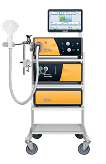
You’ll relax in a reclining chair while the magnetic coil delivers pulses to the selected treatment site. Sessions take about 20 minutes and occur 5 times per week for 7 to 8 weeks. Many patients chat with nurses, enjoy music, or watch shows during the session.


Mid and Final TMS reviews
We conduct mid-point and final reviews to ensure your treatment remains on track. Along with daily observations by our trained TMS nurses, these formal reviews allow us to monitor your progress and share updates with your GP or Psychiatrist.

Contact Us
Moonee Ponds 3039 VIC
TMS Melbourne FAQs
Each TMS session takes approximately 20 minutes. The full treatment course consists of daily sessions, Monday through Friday, for 7 to 8 weeks—totalling 35 to 40 sessions.
While this may seem like a significant commitment, many patients find the schedule manageable as sessions are quick and require no recovery time. You can drive yourself to and from appointments and return to work or daily activities immediately afterward.
Most patients begin noticing improvements in their mood and symptoms after 10 to 15 treatment sessions, typically around the 2-3 week mark.
However, everyone responds differently—some notice changes earlier, while others may not experience significant improvement until completing the full course. It’s important to complete the entire treatment program as prescribed, even if you haven’t noticed dramatic changes in the first few weeks.
During treatment, you’ll feel a tapping or knocking sensation on your scalp where the magnetic coil is positioned. The sensation is unusual at first, but most patients quickly become accustomed to it. Some patients describe it as feeling like a woodpecker tapping on their head.
The intensity can be adjusted to ensure your comfort. You may also notice a clicking sound from the TMS device—we provide ear plugs to minimize any discomfort from the noise.
TMS is generally very well tolerated. The most common side effect is mild scalp discomfort or headache during or after treatment, which typically decreases after the first week.
Some patients experience slight facial muscle twitching during stimulation. Unlike antidepressant medications, TMS doesn’t cause weight gain, sexual dysfunction, nausea, or cognitive dulling. Serious side effects are extremely rare.
Yes, most patients continue their current medications during TMS treatment. In fact, combining TMS with antidepressants may enhance the overall therapeutic effect.
Your psychiatrist will review your medications during your initial consultation and provide guidance on whether any adjustments are recommended. Never stop or change your medications without consulting your doctor.
Getting started is straightforward. First, discuss TMS with your GP or current psychiatrist and ask for a referral to Cortical TMS. They can complete our referral form or send a standard letter addressed to our Duty Psychiatrist.
Once we receive your referral, we’ll contact you to schedule your initial consultation, where we’ll assess your suitability for TMS and answer any additional questions you may have.